 Share
Share- Export to PDF
 Listen
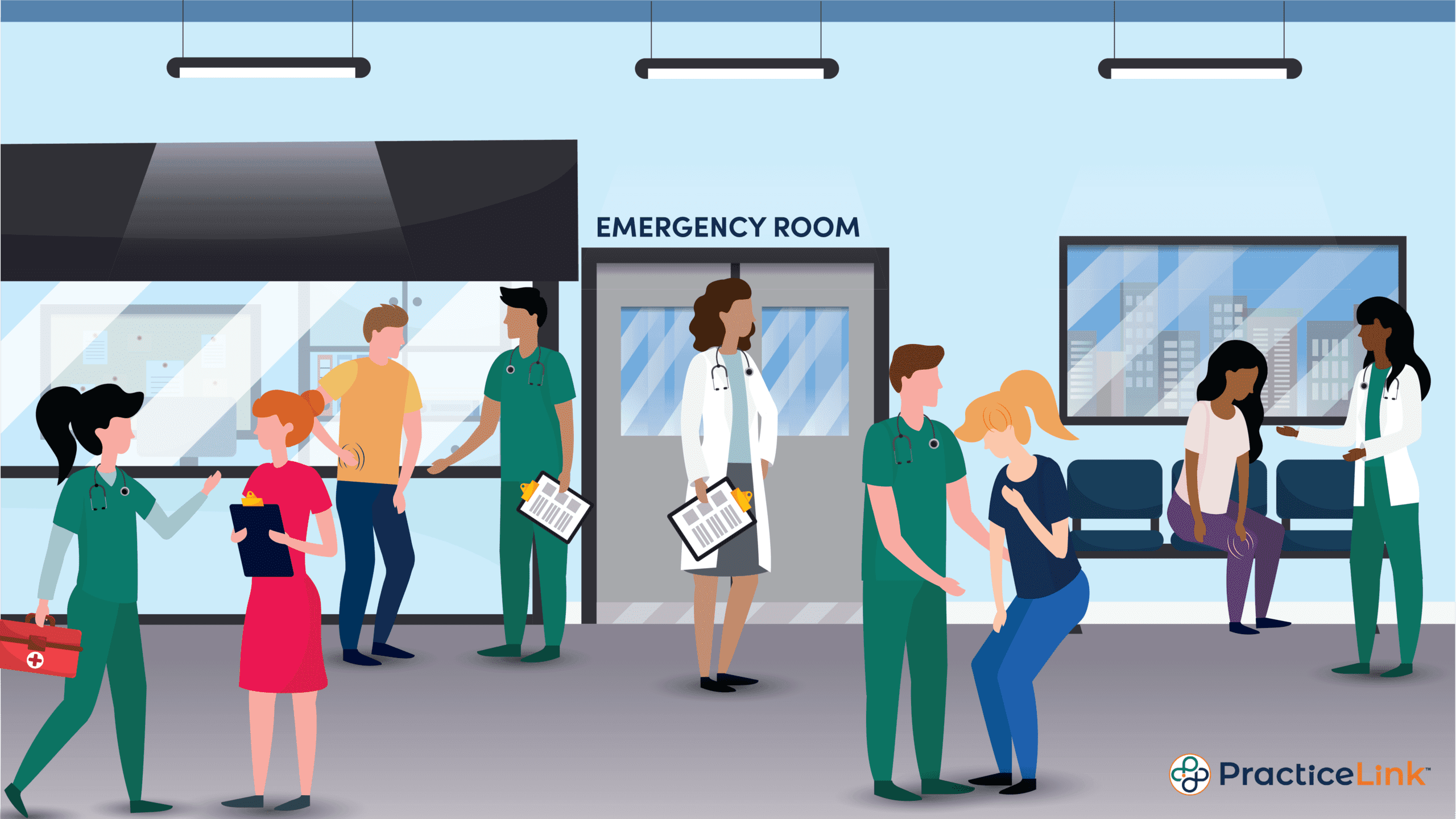
What does an emergency medicine physician do?
An emergency medicine physician is often the first doctor patients see during some of the most critical moments of their lives. From traumatic injuries to sudden illnesses, emergency physicians make rapid decisions that can stabilize patients, save lives and guide the next steps in care.
For many physicians and medical students, emergency medicine offers a unique combination of fast-paced problem solving, procedural medicine and meaningful patient impact. The specialty also provides flexibility and variety that attracts physicians seeking a dynamic career path.
If you are exploring whether emergency medicine is the right fit, understanding the realities of the specialty — including training, lifestyle, compensation and long-term career outlook — can help you make a more confident decision. Whether you are considering an emergency medicine residency or searching for future emergency medicine jobs, having clear information makes career planning easier.
What is an emergency medicine physician?
An emergency medicine physician is a doctor trained to evaluate, diagnose, stabilize and treat patients with acute illnesses and injuries. Also called an emergency medicine doctor, ER physician or emergency room physician, these physicians work in high-pressure environments where quick clinical decisions are essential.
Emergency physicians care for patients of all ages and backgrounds. They may treat conditions ranging from minor lacerations and fractures to strokes, heart attacks, respiratory failure or major trauma.
The American College of Emergency Physicians (ACEP) explains, “Emergency physicians provide immediate decision-making and action necessary to prevent death or any further disability.”
What does an emergency medicine physician do?
An emergency department physician evaluates patients who arrive with urgent or life-threatening concerns. Their responsibilities include:
- Diagnosing acute illnesses and injuries
- Ordering and interpreting diagnostic tests
- Stabilizing critically ill patients
- Performing emergency procedures
- Coordinating with specialists and hospital teams
- Managing patient triage and prioritization
- Determining whether patients should be admitted, transferred or discharged
Because emergency departments operate 24/7, emergency physicians must adapt quickly to changing patient volumes and unexpected medical situations.
Physicians drawn to emergency medicine often enjoy variety, teamwork, procedural care and fast clinical decision-making.
Where do emergency medicine physicians work?
Although many emergency physicians work in hospital emergency departments, they may also practice in:
- Community hospitals
- Academic medical centers
- Trauma centers
- Rural emergency departments
- Urgent care facilities
- Freestanding emergency rooms
- Military or government healthcare systems
Some physicians also pursue nontraditional roles in administration, telemedicine, disaster medicine or global health.
Physicians exploring future emergency medicine jobs may find opportunities in both urban and underserved communities where access to emergency care remains essential.
What conditions do ER physicians treat?
An emergency room physician treats a wide range of conditions, including:
- Heart attacks
- Stroke symptoms
- Sepsis
- Trauma injuries
- Broken bones
- Respiratory distress
- Severe infections
- Drug overdoses
- Psychiatric emergencies
- Pediatric emergencies
Because emergency medicine spans all organ systems and patient populations, physicians must maintain broad clinical knowledge and strong diagnostic skills.
What are the responsibilities of an emergency medicine physician?
The daily responsibilities of an emergency medicine physician center on rapid assessment, stabilization and treatment.
What procedures do emergency physicians perform?
Emergency physicians frequently perform procedures such as:
- Intubation and airway management
- Central line placement
- Fracture reduction
- Laceration repair
- Procedural sedation
- Ultrasound-guided procedures
- Trauma stabilization
- Chest tube placement
Procedural variety is one reason many physicians are attracted to the specialty.
Physicians interested in procedural medicine often find the emergency medicine lifestyle professionally rewarding because no two shifts are exactly alike.
How do ER physicians manage critical patients?
Emergency physicians are trained to make quick decisions during time-sensitive situations. They manage critically ill patients by:
- Stabilizing airway, breathing and circulation
- Coordinating trauma and resuscitation teams
- Ordering urgent imaging and laboratory studies
- Consulting specialists when necessary
- Prioritizing patients based on severity
Strong communication and leadership are essential during high-pressure emergencies.
What skills are important in emergency medicine?
Successful emergency physicians often possess:
- Calm decision-making under pressure
- Strong communication skills
- Clinical adaptability
- Emotional resilience
- Team collaboration abilities
- Procedural confidence
- Time management skills
Because shift work can be physically and emotionally demanding, physicians should also understand the realities of emergency medicine physician salary, scheduling and long-term sustainability before entering the field.
How long is emergency medicine residency?
After completing medical school, physicians enter an emergency medicine residency program, which typically lasts three to four years depending on the institution.
During residency, physicians train in:
- Trauma care
- Critical care
- Pediatric emergencies
- Ultrasound
- Toxicology
- Emergency procedures
- Resuscitation medicine
Residents also gain experience managing diverse patient populations in fast-paced clinical environments.
Is emergency medicine residency competitive?
Emergency medicine residency is considered moderately competitive. Applicants typically need:
- Strong USMLE or COMLEX scores
- Clinical experience in emergency medicine
- Letters of recommendation
- Research or leadership experience
- Strong interpersonal skills
Students interested in this specialty should explore resources about emergency medicine residency early during medical school.
What fellowships are available in emergency medicine?
After residency, physicians may pursue emergency medicine subspecialties through fellowship training. Options include:
- Critical care medicine
- Toxicology
- Sports medicine
- Pediatric emergency medicine
- Ultrasound
- EMS and disaster medicine
- Wilderness medicine
Fellowship training can help physicians tailor their careers toward academic, administrative or highly specialized practice areas.
What is the lifestyle of an emergency medicine physician?
The emergency medicine lifestyle can offer both flexibility and challenges.
Do emergency physicians have good work-life balance?
Unlike some specialties with traditional office hours, emergency physicians work shifts. Schedules may include:
- Days
- Nights
- Weekends
- Holidays
- Rotating schedules
Some physicians appreciate the flexibility of shift-based scheduling because it allows for blocks of time off between shifts.
Others find irregular sleep schedules and overnight work more difficult over time.
For physicians who value schedule flexibility and reduced administrative burden outside clinical hours, emergency medicine can provide a strong work-life balance.
Is emergency medicine stressful?
Emergency medicine is inherently high intensity. Physicians regularly encounter:
- Life-threatening emergencies
- Trauma cases
- High patient volumes
- Emotional patient interactions
- Time-sensitive decision-making
However, many physicians thrive in fast-paced clinical settings and find the work highly meaningful.
Why is burnout common in emergency medicine?
Burnout remains an important conversation within emergency medicine. Factors contributing to emergency physician burnout may include:
- Overnight shifts
- Administrative pressures
- Staffing shortages
- High-acuity patient care
- Emotional fatigue
That said, career satisfaction often improves when physicians find supportive practice environments, sustainable schedules and organizations aligned with their goals.
Exploring resources about emergency medicine lifestyle and emergency physician burnout can help physicians evaluate long-term fit within the specialty.
How much does an emergency medicine physician make?
Compensation for emergency physicians varies based on practice setting, location, experience and schedule structure.
What is the average emergency physician salary?
According to industry compensation reports such as Medscape and MGMA, the average emergency physician salary often exceeds $350,000 annually, though compensation varies widely.
Factors affecting emergency medicine salary include:
- Geographic region
- Rural versus urban practice
- Shift differentials
- Productivity incentives
- Experience level
- Academic versus private practice
Which states pay emergency physicians the most?
Compensation is often higher in:
- Rural regions
- Underserved communities
- High-demand markets
- States with physician shortages
Physicians willing to relocate may access some of the highest paid emergency medicine jobs available nationally.
Do locum emergency physicians earn more?
Locum tenens emergency physicians may earn higher hourly compensation in exchange for temporary assignments and scheduling flexibility.
Locum work can provide:
- Increased pay rates
- Flexible scheduling
- Geographic mobility
- Short-term contract opportunities
However, compensation structures vary depending on assignment location and staffing demand.
Physicians comparing opportunities should review total compensation, scheduling expectations and benefits packages carefully.
Is emergency medicine a good career choice?
For many physicians, emergency medicine offers meaningful patient impact, procedural variety and strong career flexibility. For instance, at TeamHealth, a physician-founded company and a leading integrated healthcare system with over 500 facilities nationwide, emergency medicine physicians and APPs enjoy lower patient volumes and streamlined workflows. This allows clinicians to focus on practicing excellent medicine without the congestion often seen in traditional hospital emergency departments.
Are emergency physicians in demand?
PracticeLink hosts nearly 30,000 job opportunities from employers across the country, including over 2,500 emergency medicine jobs. Openings include positions in high-volume trauma centers, community hospitals, academic medical centers, rural facilities, and underserved regions where the need for emergency physicians continues to grow.
Many of these communities are actively seeking board-certified or board-eligible emergency medicine physicians to help address ongoing staffing shortages and improve access to timely emergency care.
Who thrives in emergency medicine?
Physicians who often succeed in emergency medicine tend to enjoy:
- Fast-paced environments
- Team-based care
- Clinical variety
- Immediate problem solving
- Procedural medicine
- Unpredictable cases
The specialty is often well suited for physicians who value adaptability and action-oriented care.
What are the biggest challenges in emergency medicine?
Like any specialty, emergency medicine presents challenges, including:
- Shift-related fatigue
- Burnout risk
- Emotional intensity
- High patient volumes
- Documentation demands
Still, many physicians report strong career satisfaction because of the specialty’s direct patient impact and broad clinical scope.
Physicians exploring future emergency medicine jobs may also benefit from connecting with an emergency medicine recruiter to better understand practice environments and career options.
Emergency medicine physicians serve on the front lines of patient care, delivering rapid diagnosis, stabilization and life-saving treatment during critical moments.
For physicians who value variety, teamwork, procedural medicine and meaningful patient impact, emergency medicine can offer a deeply rewarding career path. At the same time, understanding the realities of scheduling, burnout risk, compensation and training requirements is essential for making an informed specialty decision.
With the right guidance and career resources, physicians can better evaluate whether emergency medicine aligns with their long-term goals and lifestyle priorities.
Whether you are looking for the fast pace of a Level I trauma center, the autonomy of rural emergency medicine or an opportunity to make a meaningful impact in an underserved population, PracticeLinkconnects you with employers hiring across every stage of your career.
Ready to explore your next step? Visit PracticeLink.com to:
- Search emergency medicine jobs
- Compare physician benefits and compensation
- Upload your physician CV
- Connect with emergency medicine recruiters