
Remembering Jason Stoneback, MD, and his passion for rodeo medicine
This physician found his calling with the rodeo.
For love of medicine— and rodeos
By Marcia Travelstead September 1, 2026
 Share
Share- Export to PDF
 Listen
Remembering Jason Stoneback, MD, and his passion for rodeo medicine
Editor’s Note: As this issue went to press, we were saddened to learn of the passing of Dr. Stoneback. We are privileged to share this profile highlighting his work, and we extend our deepest sympathies to his family, colleagues and patients.
NAME: JASON STONEBACK, MD
EMPLOYER: ORTHOPEDIC TRAUMA SURGEON, UNIVERSITY OF COLORADO HOSPITAL, AURORA
EDUCATION
MEDICAL SCHOOL: UNIVERSITY OF TENNESSEE HEALTH SCIENCE CENTER, MEMPHIS
INTERNSHIP/RESIDENCY: UNIVERSITY OF COLORADO HEALTH SCIENCE CENTER (NOW UNIVERSITY OF
COLORADO ANSCHUTZ MEDICAL CAMPUS)
FELLOWSHIP: SAINT LOUIS UNIVERSITY, MISSOURI
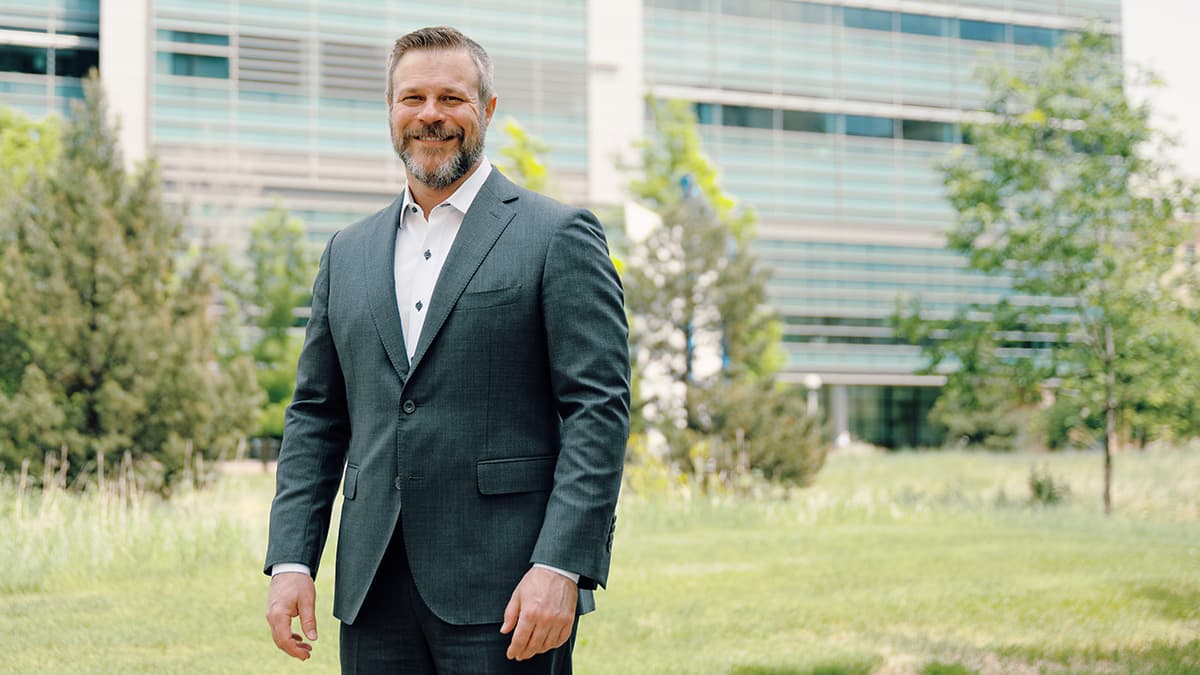
Jason Stoneback, MD, is chief orthopedic trauma and fracture surgeon and vice chair of clinical affairs for the department of orthopedics and director of limbrestoration at University of Colorado Hospital. In college, he was a bull rider and saddle bronc rider. He competed in amateur and collegiate rodeos. He credits his rodeo background with leading him into what he is doing today. After his training was complete, Stoneback and his wife were able to once again have horses and team rope together.
What do you like about being a physician for rodeos?
I love being around my friends, colleagues and the sport both my wife and I love. To be able to give back in this capacity is the best! Rodeo medicine physicians are available arena side—often near the bucking chutes—so we are available if a cowboy gets injured. Once the arena is cleared, we are able to run out and render potentially lifesaving care or treat an injury. We clear concussions and allow people to return (or not) to competition, among other things. We vary from sports medicine physicians to spine medicine physicians to orthopedic trauma surgeons. I also get contacted about various injuries because of my specialty.
Is there anything you don’t like about the role?
What I don’t like is when I have to tell a rodeo athlete that they shouldn’t compete. It’s hard because it’s how they make a living. If they are not competing, they are not making money. They aren’t like professional NBA players getting multimillion-dollar paychecks.
What surprised you about the role?
I find it somewhat surprising that rodeo athletes tend to be extremely hard charging. It can be more difficult than you think to hold them back. I had a bullfighter once who injured his ankle at a rodeo a few days prior and hadn’t had it X-rayed. He was participating in the rodeo I was at, and we had an X-ray machine there. We had his ankle X-rayed to determine if it was broken. It was—but he went ahead and fought bulls that same night and broke the other side of his ankle. He turned a nonoperative injury into an operative injury in two different episodes. There are no textbook answers for that. He then decided to tape it up and continued to fight bulls that evening on a broken ankle. They are as tough as they come.
How could other physicians get involved in rodeo medicine?
Talk with your local rodeo committee. Every rodeo has a committee, which is a host of volunteers that helps put the rodeo together. Ask the committee organizers about medical coverage for the rodeo and how it works. You also can reach out to Justin Sports Medicine Team and see if there are rodeos in your area you may be able to get involved with. Also, if your local college has a rodeo team, you can inquire if you can help in a medical capacity.
Any other advice?
Make sure the arena is clear before you go into it. Physicians who don’t have a rodeo background sometimes show up or are assigned to cover. They sometimes get excited if they see someone get injured and want to run out—but if there’s still a bull or horse running around in the arena, they can become an injury themselves. •

